Exercise doesn’t have to lead to inflammation.
Experts reveal how to reduce muscle inflammation with your workout and recovery routines.
That soreness, when it happens, indicates inflammation (but not necessarilybadinflammation).

That equation can be swapped, thoughexperts say that certain exercises andrecovery habitscan actually reduce muscle inflammation.
Experts in This Article
Alexis Chiang Colvin, MD is an orthopedic surgeon with Mount Sinai.
Jeremy James, DC is a chiropractor, certified strength and conditioning specialist, and founder of FitForever.
Thats how you build muscle.
Certain forms of movement can also reduce inflammation.
Really good movement will help any inflammation that is existing within the body, says Heimann.

How can you determine whether your workout will cause or quell inflammation?
Keep scrolling for eight ways to use your exercise and recovery routines to keep inflammation at bay.
Stretch
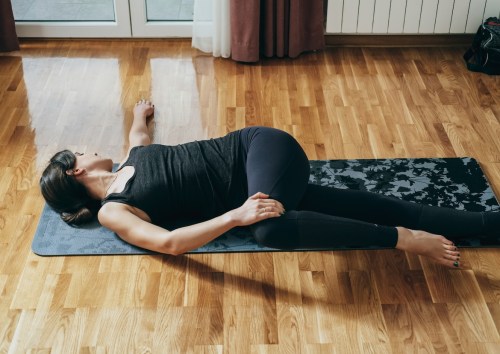
Any body-focused expert will preach about theimportance of stretching.

Alexis Chiang Colvin, MD is an orthopedic surgeon with Mount Sinai.
And, guess what: Stretching can help reduce inflammation, too.
According to Heimann, having a weak core can actually create inflammation.
It should be ready to support the body with movement, says Heimann.

High intensity or long-duration exercise can cause chronic inflammation, says Dr. James.
So throw in some rest days andlow-impact workoutsto space out your HIIT.
Exercising in improper form can pile on the inflammation.

Form dictates function, says Heimann.
These are all kinds of byproducts of overly using one muscle group and under-using another.
But youre probably over-using your hamstrings.
That muscle compensation leads to tightness, tension, and, yeah, inflammation.
Getting something like a foam roller or compression sleeves can help to massage out your muscles.
If you are feeling soreness, you should definitely make a run at recover.
…
Got it, you’ve been added to our email list.
