Making a purchase through our links may earn Well+Good a commission
Ah, the boot, falls quintessential footwear.
Employ these handy tips.
Heels shift your weight forward, Dr. Sutera explains.
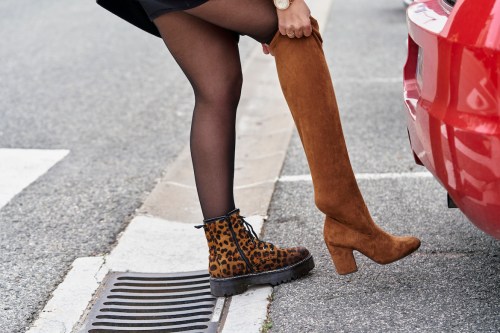
The higher the heel, the more potential there is for pinching in the forefoot.
This can leave them feeling tired, unsupported, and riddled with issues.
Something else theyll do?

podiatrist and member of the Vionic Innovation Lab
Dr. Sutera offers a simple test to determine if the shoes in question offer enough support.
Instead, look for a sturdy, thick sole with a slight heel, advises Dr. Sutera.
When your ankles are more stable, theres less of a chance of your rolling them.
Plus, such ultra-close skin-on-skin contact is a recipe for friction… and, ultimately, blisters.
Better options include round- or square-toed boots because their toe boxes are roomier.
This is especially wise advice to follow if you have bunions or hammertoes, says Dr. Sutera.

Its Amazing How Its All Connected.
(These materials tend to have a bit of natural give.)
Seek arch support
Like a steadfast friend, your go-to booties should lend support.

podiatrist and member of the Vionic Innovation Lab
Specifically midsole support, says Dr. Sutera.
There are a few things you may be able to finagle.
Soften the exterior
Remember, less-rigid materials have more give, making them more malleable.

Switch up your socks
Oh hi!
…
Got it, you’ve been added to our email list.