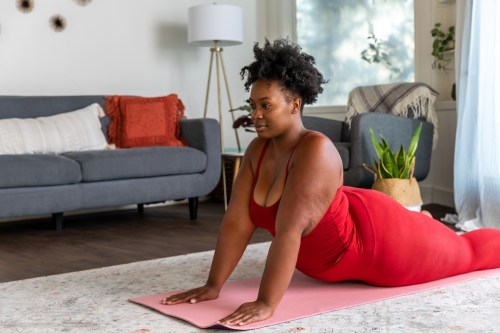
Many are finding themselves in new caregiver positions post COVID-19, and don’t know where to begin.
This is here to help.
A portion of the responsibility of being my grandmothers companion hadnt been new to me.
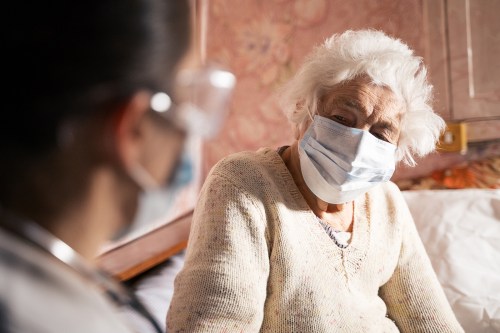
Of those who self-identify as a caregiver, 10 million are millennials, according to a2018 study by AARP.
In 2019, nearly 44 million Americans provided unpaid health-related care for their loved ones.
Estimates now suggest that these numbers may have as much as doubled since the start of the COVID-19 pandemic.

…
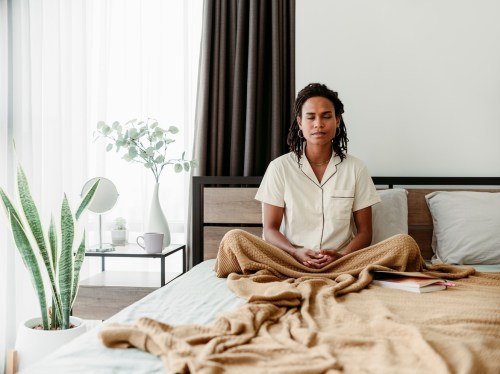
Many caregivers feel guilty when they take time out for themselves.
But taking care of yourself should remain a top priority.
Caring for yourself translates into better care for your loved one.
Its Amazing How Its All Connected.
Families say, We dont know where to start.
Unlike becoming a parent or getting married, there are few guidelines to help caregivers learn what to do.

They were searching for answers.
Asking for help was already difficult and coordinating help thats offered only adds increased burden.
Malcolm adds, Patients regularly discharge from the hospital against medical advice because they are concerned about their pets.
…
Dr. Ungerleider encourages all caretakers to push for clarity or more information when needed.
Never be afraid to ask the healthcare provider to explain something, if needed.
Also, recognize that you know your loved one best.
If something seems off, definitely ask about it.
Dr. Ungerleider recommends resources like theFamily Caregiver Allianceand theRosalynn Carter Institute for Caregivingto help bridge educational or financial gaps.
…
Got it, you’ve been added to our email list.