Breastfeeding or bodyfeeding can benefit a babys overall nutrition.
Often the right to do so is denied to Black and Indigenous people.
Kim Moore-Salas an IBCLC at the Valleywise Hospital in Phoenix, AZ and an Indigenous Breastfeeding Counselor.
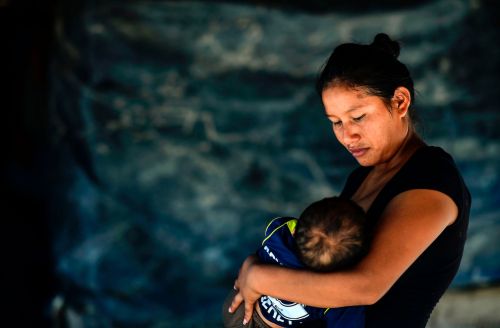
She focuses on individual, couple, and family therapist.
But the problem didnt start there.
And many Indigenous people are still forced to break that promise through no fault of their own.

co-director and research lead for theBlack Mamas Matter Alliance
Black parents know this struggle as well.
Today, the assumption that Black parents are less likely to nurse persists.
Its Amazing How Its All Connected.

Moore-Salas and Goldhammer travel to Native communities across North America totrain community members to become Indigenous Breastfeeding Counselors.
They say its a major contrast from the white-centered lactation education they both received.
When we serve our own community, there is an unspoken language among each other.

This allows us to still heal and not feel judged.
Language that lactation professionals use is also key in helping their clients feel understood.
On top of that, paid parental leave and breastfeeding support from employers is lacking, Reyes adds.
co-director and research lead for theBlack Mamas Matter Alliance
However, its important to realize that Latinx parents in the U.S. come from a variety of cultural backgrounds.
We are not homogenous and our experiences vary, Reyes points out.
Inclusivity and understanding matters in the queer community as well.

Weve pushed the movement forward, and simplified this breast is best mentalitybut its much larger than that.
We have to look at the intersections of race and class, and identity, Richardson says.
…
Got it, you’ve been added to our email list.