The hormonal and lifestyle changes of perimenopause can cause serious sleep problems.
Here, sleep and menopause experts offer solutions.
Why can perimenopause cause problems with sleep?
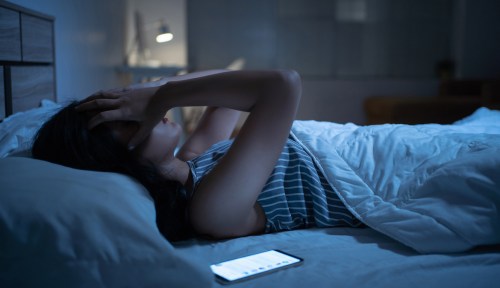
In perimenopause, specifically, the changes in estrogen and progesterone have unique sleep-related effects.
Supportive daily habits also tend to fall by the wayside in this overextended scenario, says Dr. Sims.
Any of the above can worsen perimenopausal symptoms across the board, including sleep issues.

board-certified OB/GYN, clinical herbalist, and NAMS-certified menopause specialist
Menopause May Be the CulpritHere Are 6 Ways to Get Relief
2.
Get on a consistent sleep schedule
Sleep loves routine, remember?
So, having the room temperature cool at bedtime and throughout the night can facilitate better quality sleep.

She also suggests wearinglightweight pajamasthat wick away moisture.
…
Got it, you’ve been added to our email list.


board-certified OB/GYN, clinical herbalist, and NAMS-certified menopause specialist