Here’s what to do.
These stingers typically have venom on them, though the effect depends on the insect.
For most common bees,stinger venom has proteins that impact the skinand immune system.
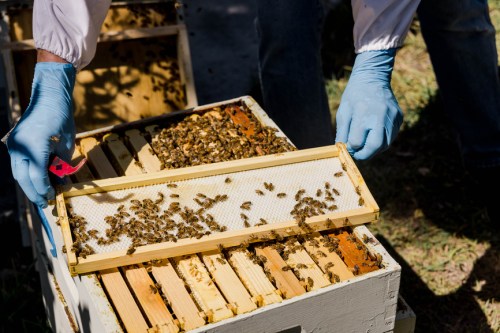
This typically causes pain, swelling, redness, itching, and soreness.
So what should you do immediately after getting stung?
Below, Dr. Malka explains exactly what you should do when a bee stings.

…
Knowing your allergy status and keeping an EpiPen accessible is really important for this reason.
Its Amazing How Its All Connected.
However, the CDC and Dr. Malka both advise that you never use tweezers to remove a stinger.
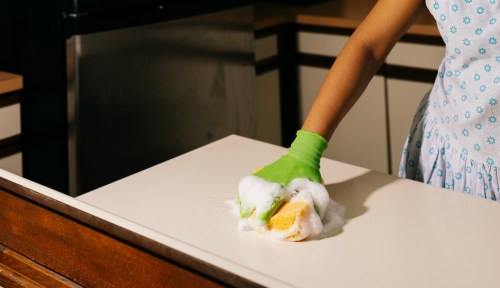
This is because tweezing out a stinger can squeeze it and release more venom into the skin.
Be sure not to scratch or squeeze the area because doing so can increase your risk of infections.
Once you complete these steps, Dr. Malk recommends that you monitor your symptoms.

Swelling can persist, which is why experts recommend OTC medications.
TheMayo Clinicsuggests that you seek medical care if your sting has not healed after 10 days.
…
Got it, you’ve been added to our email list.
…