Instead, its a much more delicate process.
Washing mushrooms only increases their water content, and they can easily become soggy when cooked.
I rarely wash or soak mushrooms, says LaMarita.
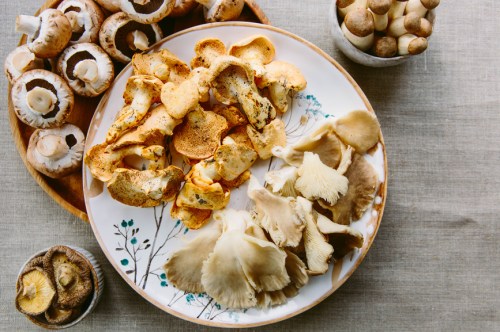
99.9 percent of the mushrooms we eat are cultivated and not foraged.
Therefore, despite what you might think, they are not grown in dirt, he says.
This is why cleaning them with a clean towel or pastry brush is usually more than enough.

chef-instructor at theInstitute of Culinary Educationin New York
Most mushrooms are grown in sanitary conditions: on sterilized logs, wood, or straw.
Mushrooms can get soggy or rubbery if you cook them with too much fat or liquid, LaMarita says.
I cook them until theyre cooked through and caramelized and I season them along the way, he says.
And to further prevent his mushrooms from getting rubbery, LaMarita avoids adding any additional cooking liquid.
This creates the perfect barrier for staving away any condensation that can accumulate in your refrigerator.
LaMarita adds that its important to transfer store-bought mushrooms into this setup to prevent them from spoiling quickly.
This is why he says youshouldntwash them before putting them away.
The idea is to keep them from pulling moisture from the atmosphere and releasing any moisture, LaMarita says.
Which is why he says that the best mushrooms are those that are dry, firm, and crisp.
…
Got it, you’ve been added to our email list.