The FDA Just Banned Red Dye No.
3: The Future of Processed Foods
Is Red Wine Any Healthier for You Than White Wine?
Proffee Is the Hottest New Beverage Trendbut Should You Really Be Adding Protein to Your Coffee?

More people care about the words on food packaging than ever.
But have you ever wondered what these claims actually mean?
The answer is anything but simple.
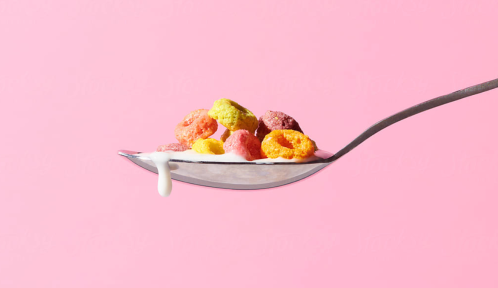
…
Deceptive marketing claims can feed into movements likeclean eating that are not science-based arguments, Erin adds.
At the end of the day, companies are just trying to get you to buy their product.
With all that said, what is the actual meaning of these popular marketing claims?

Lets see what a food scientist has to say.
What three food marketing claims actually mean, according to a food scientist
1.
Erin says this marketing claim is slightly deceptive.

But the chance of consuming antibiotics through animals is slim.
So is including the label no antibiotics misleading?
According to Erin, it depends.

…
On one hand, this label can distinguish animal products that were never administered antibiotics.
(Again, food in the market does not have antibiotic residue.)
Aside from that, she says this claim doesnt really tell you anything about the product.
How to think about marketing claims
Erin says that relying on marketing claims is unnecessary.
Buy what you like and what you have access to.
coli., she adds.
Its understandable to feel concerned about what you consume, but our food supply is very safe.
…
Got it, you’ve been added to our email list.
