Burning sage is a sacred Indigenous practice that has been commodified.
This is cultural appropriation, and here’s why it’s harmful.
Experts in This Article
journalist and co-founder of Well for Culture
Except, thats not the case.
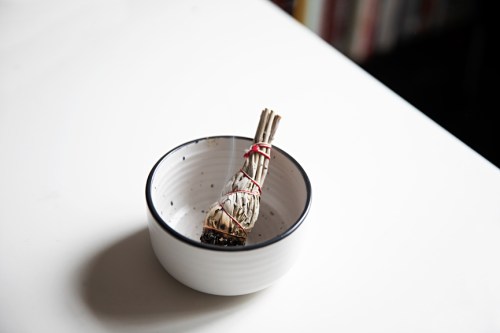
This is cultural appropriation, and its harmful to Native communities.
What is cultural appropriation, and why is it harmful?
These practices keep us strong as we continue to deal with historical trauma.
That smudge stick represents the deep pain, sacrifice, resistance, and refusal of Native peoples.
It represents a continuing legacy of marginalizing and punishing Native spirituality.
That smudge stick is not benign.
Its not about ownership.
That smudge stick represents the deep pain, sacrifice, resistance, and refusal of Native peoples.
It represents a continuing legacy of marginalizing and punishing Native spirituality.
Who is benefitting from the sale of these products?
I urge you to read Dr. Keenesentire post.
Does that mean burning sage is completely off-limits for non-Indigenous people?
Many cultures around the globe have traditionally burned herbs, incense, or other materials as a spiritual ritual.
But the idea of smudging is distinctly indigenous to the Americas, Dr. Keene writes.
Where do we go from here?
Of course, cultural appropriation doesnt just happen to Indigenous practices.
And those are just three high-profile examples of something that happens every day.
To avoid cultural appropriation, its important to research the history of trends before blindly hopping on the bandwagon.
Our communities have seen so much pain.
We have been mocked, brutalized, infantilized, dehumanized, and ignored.
you’re free to find more information aboutour process for doing so here.
The work to dismantle white supremacy is constant and ongoing, and so will be Well+Goods on this front.
…
Got it, you’ve been added to our email list.
